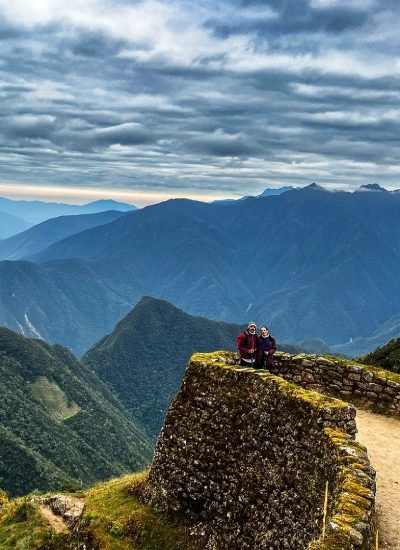
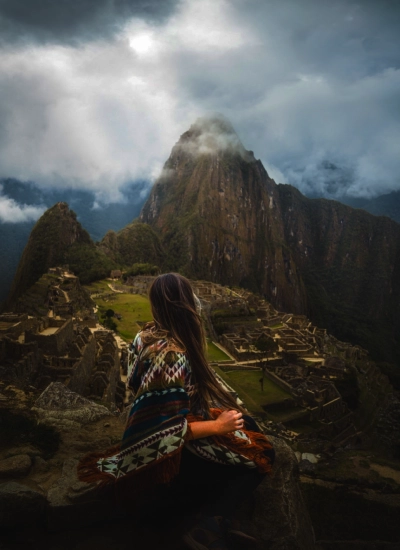

You’ve decided to join us for an unforgettable trekking adventure through the Peruvian Andes!
Before hitting the trail, it’s important to make sure you have everything you need for a safe, comfortable, and enjoyable experience. From essential hiking gear and suitable clothing to sun protection and personal items, being well-prepared will help you make the most of every step of your journey.
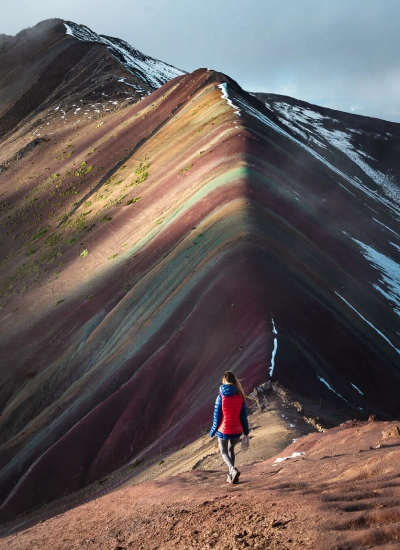
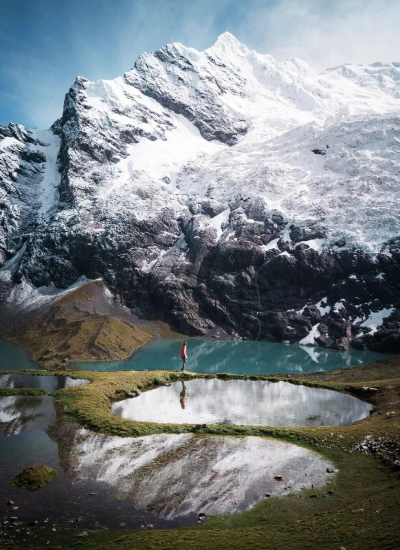
Our Peru Trekking Packing List is designed to help you prepare for your adventure with confidence. Whether you’re exploring the spectacular Ausangate mountains, hiking to Rainbow Mountain, or discovering the ancient trails of the Peruvian Andes, this guide covers the essential items you should bring.
We’ve organized our recommendations to make packing simple and stress-free, focusing on practical, reliable gear suited to Peru’s high-altitude conditions and changing mountain weather. Use this checklist to prepare for your trek and focus on what matters most: enjoying the incredible landscapes, local culture, and unforgettable experiences that Peru has to offer.
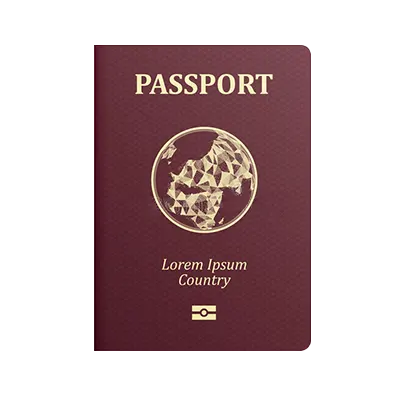
Carry your passport when hiking in Peru, as it may be required at trail checkpoints and for entry to Machu Picchu and other locations. Ensure that the details on your tickets match those in your passport exactly.
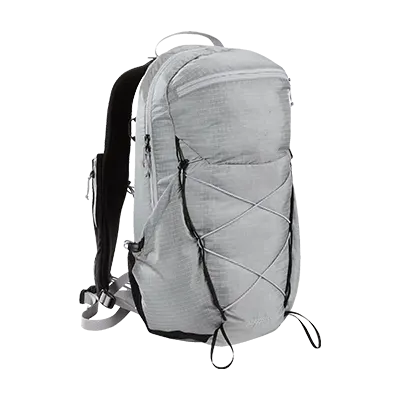
Bring a daypack where you can store water, snacks, sunscreen, and essentials. Choose one that features compression straps and side pockets. Always carry a waterproof cover to protect your belongings in the Andes.
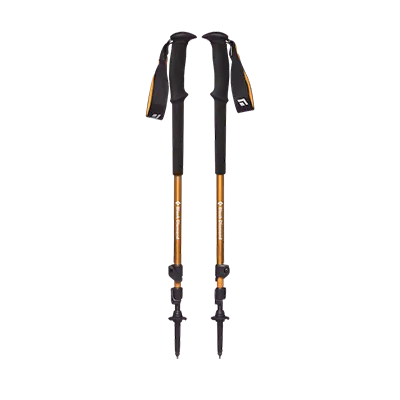
Trekking poles reduce pressure on your knees and joints, especially during descents. Choose lightweight, adjustable poles for comfort and easy storage. Black Diamond and Leki are excellent options.
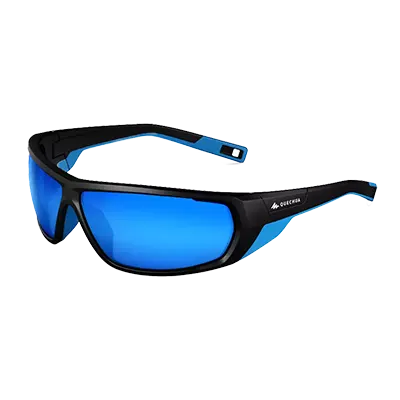
The intensity of ultraviolet radiation in Cusco, Peru, is very high due to the high altitude and the glare from snow-capped peaks.
You should wear quality sunglasses with UV protection (reducing light by at least 80%).
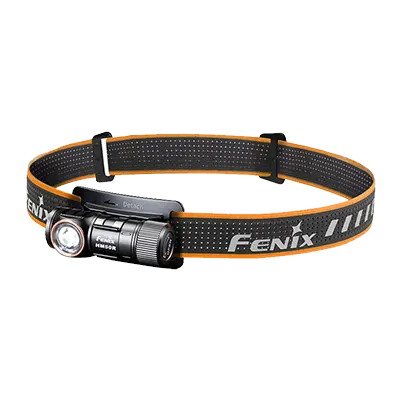
You won’t be hiking at night, but you might need to use the restroom in the dark or want to read before going to sleep. Many campsites are poorly lit or lack electricity entirely, so having extra lighting comes in very handy.

Many people suffer from dehydration at high altitudes. Ideally, you should drink between 2 and 3 liters of water a day. Heatstroke is common among dehydrated hikers and could prevent you from completing the rest of the hike.
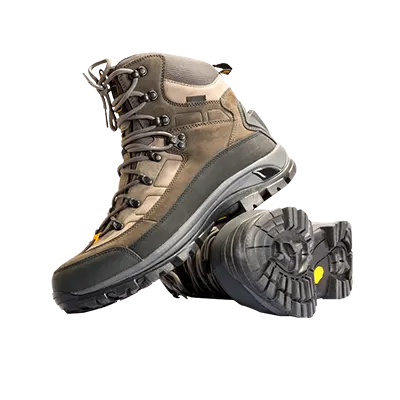
Choose well-fitting, waterproof hiking boots with good ankle support to prevent blisters and foot pain. Ensure there is enough room for your toes, especially when descending, and break in your boots before the trek.
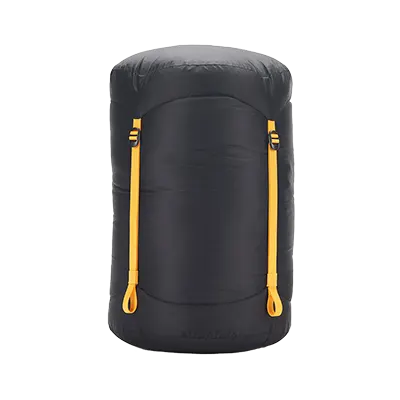
Bring a warm sleeping bag rated for temperatures of at least -10°C, as temperatures can drop below freezing. Choose a mummy-style model with an insulated hood to better retain heat; both down and synthetic options are suitable.
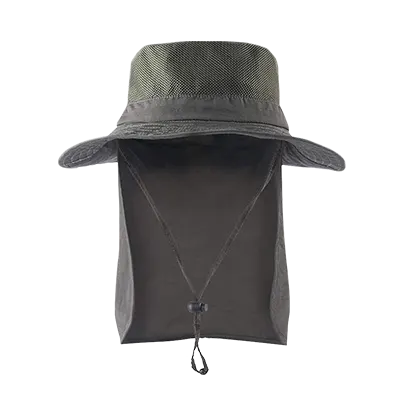
For hiking, wear a lightweight, packable hat or cap that protects your face and neck from intense high-altitude UV rays. A hat with a neck flap offers additional sun protection.
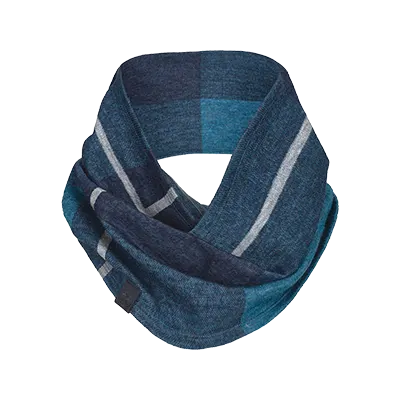
Bring two neck gaiters (Buff-style): one fleece-lined and one lightweight. They can protect your face and neck from the cold and be worn as a headband, hat, or neck gaiter.
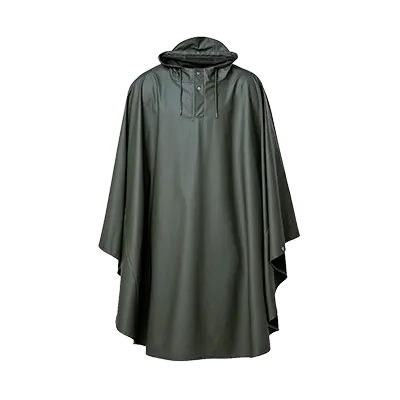
Bring a waterproof, breathable jacket to effectively protect yourself from rain and wind during your hikes in Peru, especially during the rainy season. It is also useful to carry a lightweight waterproof poncho for sudden downpours.
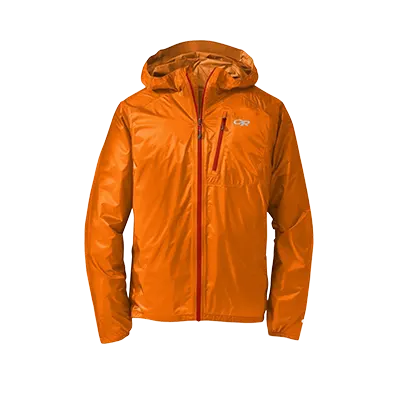
The outer layer—or third layer—consists of a jacket and trousers that are windproof, water-resistant, and, most importantly, warm. These garments will be worn on the upper sections, where it is very cold.
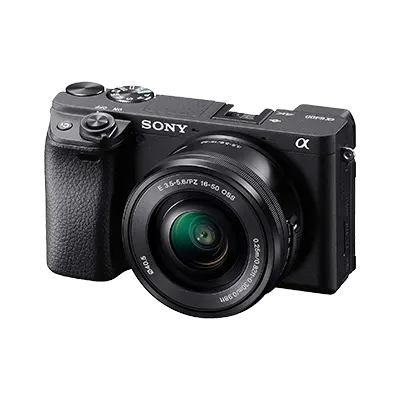
The landscape of Cusco, Peru, is breathtaking! You’ll undoubtedly want to capture your experience in high definition, so if you don’t have a decent camera, now is the time to get one to capture every moment.
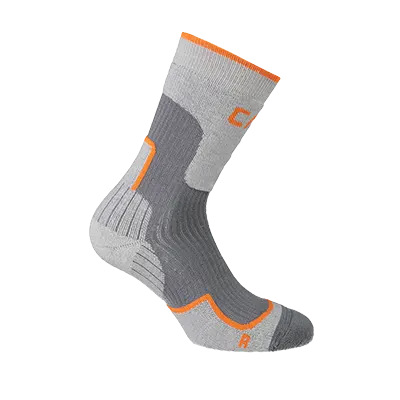
Bring one or two pairs of thermal socks for cold days of hiking at higher altitudes.
We recommend Smartwool thermal socks, as they are very warm and offer excellent cushioning for the feet (bulky seams cause blisters).
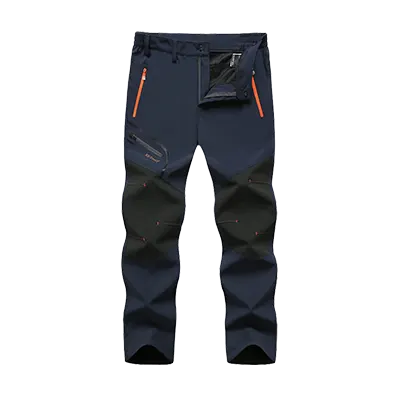
You also need to bring both shorts and long pants for hiking. You can opt for convertible pants, like this trekking model; the lightest ones are more comfortable for walking.

Bring broad-spectrum sunscreen (SPF 50+) to protect your skin from intense UV rays at high altitudes. Reapply every two hours and after sweating to maintain protection during your trek.

Bring your personal medications and any essential prescription medicines you may need during the trek. Keep them in their original packaging and carry enough for the entire trip, plus a little extra in case of delays.

Carry enough cash in Peruvian soles (PEN) for snacks, drinks, tips, and small purchases during the hike, as credit cards are not accepted in many rural areas; however, you can use cards in the cities.
Another popular area for hiking is found in the high mountains. The Ausangate route is one of the most popular in this part of Peru. Keep in mind that the weather can get very cold, as you will spend much of the time hiking among glaciers.
Here is our gear list for traveling to the colder mountainous regions of Peru:
You will need to pack a variety of items to be prepared for all kinds of weather and conditions. The following list is based on standard 4- to 5-day treks, but you can adjust it according to the length of your trip.
Here is our ultimate packing list for Machu Picchu.